
Britain – Manchester Historian
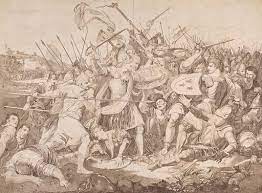
The story of the Battle of Agincourt follows the age-old narrative of the beloved underdog rising against the odds. A legacy of victory and glory would become synonymous with Henry V after this epic episode in medieval history. An idyllic tale of knights, courage and king; it is recounted even in modern memory, but how honest is it?
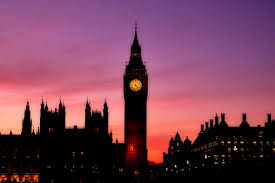
Nowadays, Britain looks on as a plethora of religions, ethnicities and cultures celebrate their traditions in this now-diverse nation. But why is it that we don’t have our own?

The seventy-four day event which Buenos Aires classed as ‘a war’ and London classed as ‘a conflict’, began on 2nd April 1982. This was when, from the British perspective, Argentine forces invaded the Falklands, provoking British Prime Minister Margaret Thatcher’s response to send a Task Force of over one-hundred ships to recapture the Islands over eight-thousand miles away.

In February 1952, Queen Elizabeth II ascended to the throne at the youthful age of twenty-five, becoming a historic moment that captured the hearts and minds of the nation. Her reign is bejewelled with monumental records and achievements, beginning with her coronation’s televised broadcast to the general public and including her most recent accomplishment of reaching her Platinum Jubilee, having been on the throne for 70 years.

Irish independence was the beginning of the end of the British Empire. Alice Rigby writes a potted history of the events leading up to this moment.